
Adult Focused Speech, Language & Cognitive Rehabilitation
Evidence-based care after neurological injury or illness
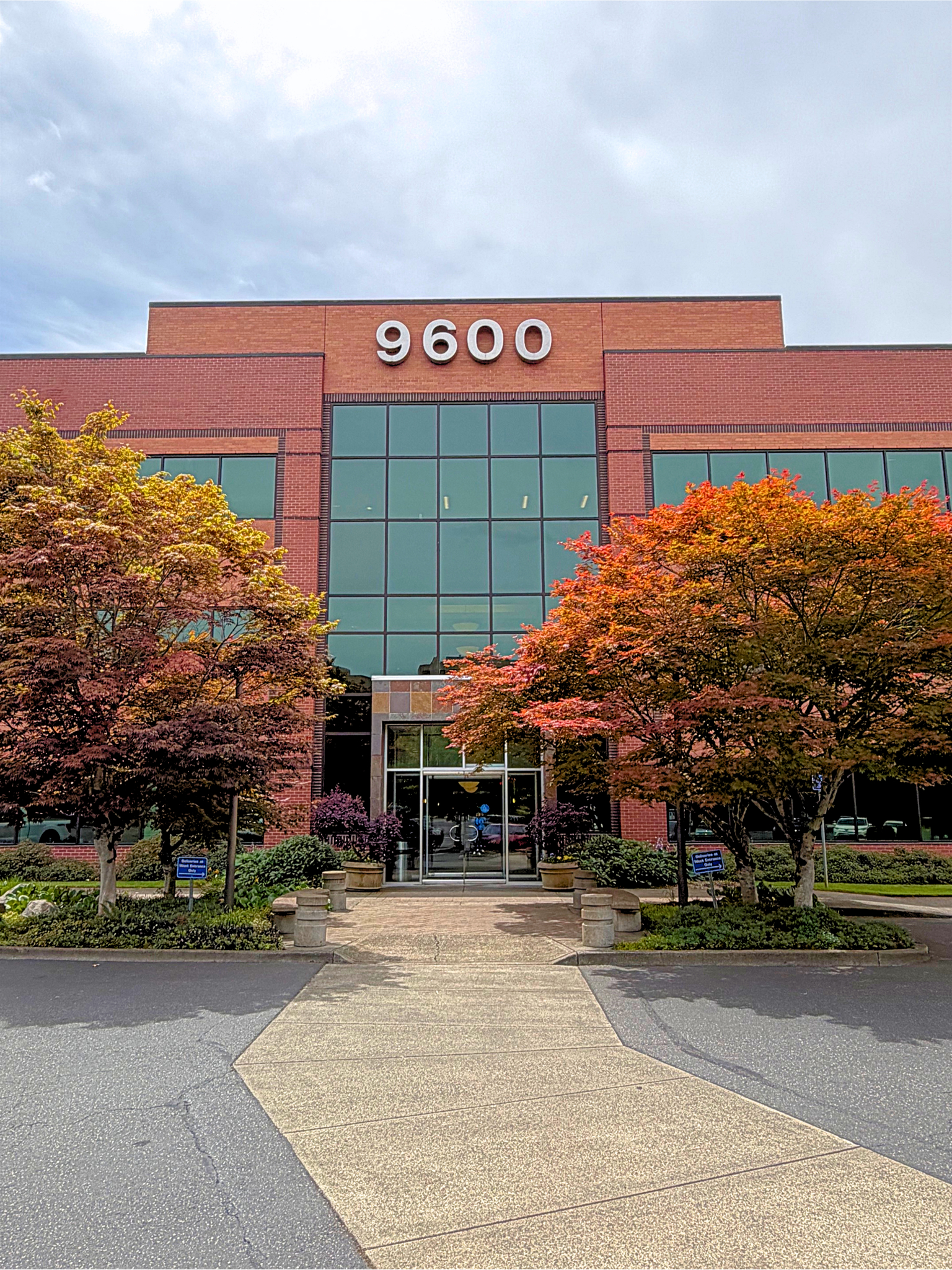
Serving the Greater Portland, OR metro and surrounding suburban areas
What Makes Us Different
Adult focused care (No children)
No long wait times for appointments (Days not months)
Comfortable, non-hospital setting (Calm & professional)
Outcome, result driven therapy (To get back to everyday life)
Services in English & Spanish
About
Bridges Neuro Speech Rehab
What We Treat:
We specialize in treating the adult population experiencing - Speech, Language, Swallowing and Cognitive Deficits, due to neurological injury or illness. We also work with high school and college students, but not younger children. Prioritization is on functional rehabilitation specific to each persons unique circumstance.
What To Expect:
Therapy always begins with a comprehensive evaluation to understand how your condition is affecting communication, cognition, and/or swallowing. From there, we create an individualized treatment plan focused on your specific goals and daily challenges.
Follow up sessions are structured, practical, and evidence-based. Therapy is always connected to real-life goals, so progress carries over into everyday activities. We regularly review and adjust goals as needed to ensure therapy stays centered on helping you regain independence and confidence. Trusted family or caregivers are welcome to join sessions with your consent.
Outcomes:
Our goal is to help adults reconnect with activities of daily living. Including:
Clearer communication in everyday conversations
Confidently participating in social interactions
Enjoying meals with friends and family
Engaging in community outings
Taking part in meaningful, memorable events
Restore Communication, Cognition, and Confidence!
Therapy Services
We provide speech therapy for adults with the following:
(Click on “+” buttons below to expand and review the different services)
-
A stroke occurs when blood flow to part of the brain is interrupted, which can affect speech, language, memory, swallowing, cognition, and communication skills.
-
A concussion is a mild traumatic brain injury caused by a blow or jolt to the head that disrupts normal brain function. It creates an “energy shortage” in the brain and affects neurotransmitters, disrupting communication between nerve cells. Common neurocognitive and speech-language symptoms include difficulties with attention, memory, processing speed, word finding, organization, problem solving, comprehension, mental fatigue, and communication.
-
Parkinson’s disease is a progressive neurological disorder that can affect speech clarity, voice volume, swallowing, cognition, and overall communication abilities.
-
Dementia is a progressive condition that causes decline in memory, thinking, communication, problem-solving, and daily functioning.
-
A traumatic brain injury (TBI) is an injury to the brain caused by an external force, such as a blow, jolt, or penetrating injury to the head, that disrupts normal brain function. Depending on the severity and area of the brain affected, a TBI may result in difficulties with speech, cognition, memory, attention, swallowing, and executive functioning.
-
An acquired brain injury refers to brain damage that occurs after birth due to illness, lack of oxygen, infection, stroke, or other medical conditions affecting cognitive and communication abilities.
-
Multiple sclerosis is a neurological condition affecting the central nervous system that may cause changes in speech, voice, cognition, swallowing, memory, and energy.
-
Functional neurologic disorder (FND) is a condition in which the nervous system does not function properly, leading to real symptoms such as speech, voice, movement, or cognitive difficulties without a structural neurological disease as the cause.
-
Cognitive-linguistic deficits refer to difficulties with attention, memory, problem-solving, reasoning, and language skills that impact communication and daily functioning.
-
Brain tumors are abnormal growths in the brain that can affect speech, language, cognition, swallowing, and other communication-related abilities depending on their location and size. Surgical resection (tumor removal) can also temporarily or permanently impact these functions due to changes in surrounding brain tissue.
-
Long COVID refers to persistent symptoms following a COVID-19 infection, which may include brain fog, memory problems, reduced attention, slowed processing speed, and communication difficulties.